
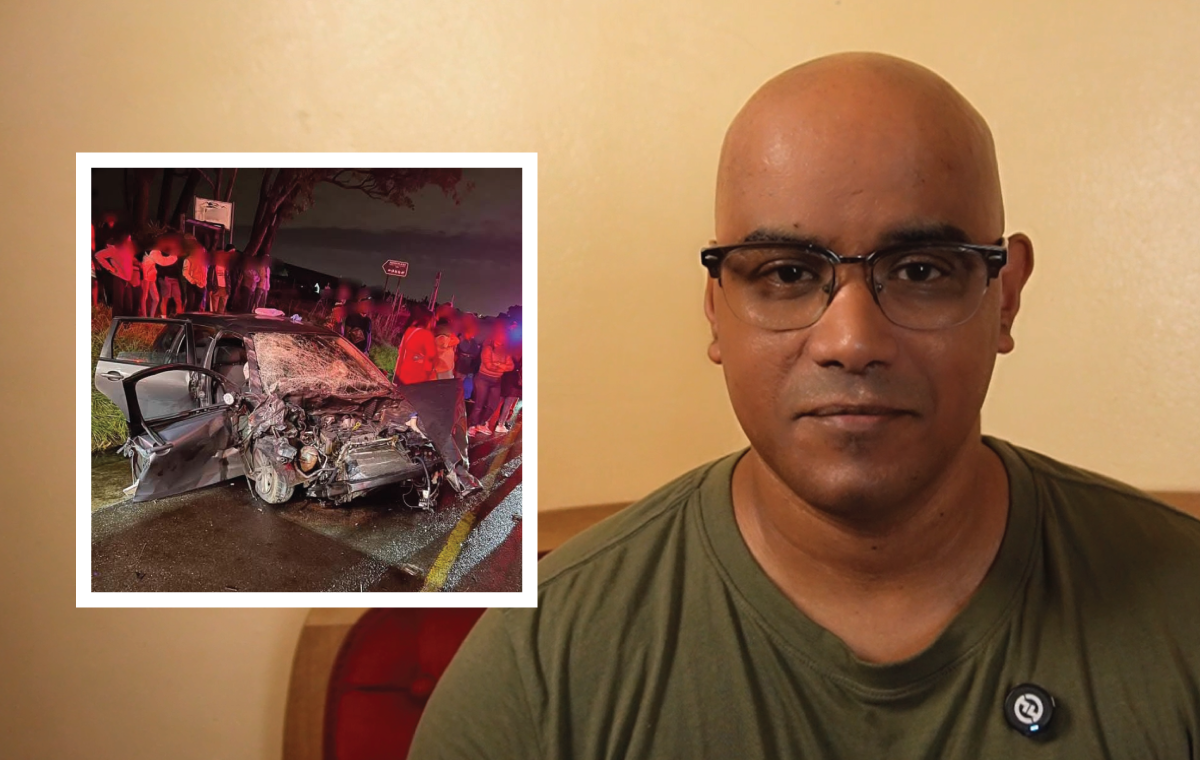
On 6 December 2024, Craig Sampson’s life changed in an instant. A serious motor vehicle accident left him with multiple traumatic injuries and fighting for recovery. Like many people, Craig was aware of blood donation campaigns and had heard the messages encouraging people to donate blood. What he never imagined was that one day he would become someone whose life depended on the generosity of blood donors.
Today, as he continues his recovery journey, Craig is sharing his story to highlight the vital role blood donation plays in saving lives.
A Life-Changing Accident
When Craig was involved in the accident, he had no idea how serious his injuries were. The crash left him with a broken femur in his right leg, a collapsed lung, torn ligaments in his left knee, and a fractured pelvis. He later learned that his pelvic injury was classified as an unstable fracture, meaning the pelvis had broken in multiple places.
“It was a severe accident with severe injuries,” Craig recalls. The extent of his injuries required emergency medical intervention, surgery, and intensive care. Like many trauma patients, significant blood loss became a major concern. At the time, Craig did not realise that blood transfusions would become an important part of his treatment and recovery.
The Blood Transfusions He Never Expected
After being admitted to hospital and undergoing surgery, Craig spent time in the Surgical Intensive Care Unit. It was there that he became aware of the blood transfusions that were helping support his recovery.
“I did not know I needed blood transfusions,” he says. Although he is unsure of the exact number of units he received, he remembers seeing representatives from the blood service on more than one occasion during his hospital stay.
The severity of his injuries, particularly the pelvic fracture, resulted in significant blood loss. “If I did not have blood transfusions, I don’t know how my surgery would have gone or how my recovery would have progressed.”
For trauma patients, access to a safe and reliable blood supply can mean the difference between life and death. Blood transfusions are often required during emergency surgery, following severe blood loss, and throughout recovery. Craig’s experience is a reminder that blood donation is not only needed for planned medical procedures. Every day, blood is required for trauma patients, accident victims, mothers experiencing complications during childbirth, cancer patients, and many others facing medical emergencies.
Understanding Blood Donation from a Different Perspective
Before his accident, Craig’s understanding of blood donation was similar to that of many South Africans. He knew blood donation existed. He heard radio advertisements and saw social media campaigns encouraging people to donate blood. He understood that blood was needed, but he had never personally connected with the reality behind those messages.
“That was my understanding of blood donation. I knew it was there. I just never had a deeper understanding of it.” That changed completely after becoming a blood transfusion recipient himself.
“My experience definitely changed my view on blood donation, the impact it has, and the role it plays in society.” For the first time, Craig truly understood how essential blood donations are.
“It opened my eyes. I never understood the severity of the need for blood. My injuries showed me the reality of blood services and why donations are so important.”
The Long Road to Recovery
Recovery from multiple traumatic injuries is not a quick process. Since leaving hospital, Craig has worked tirelessly to regain his mobility and independence. When he was discharged, even basic movement presented a challenge.
“I couldn’t walk properly and I couldn’t bend my knee.”
Months later, he has made significant progress. Today, he can walk far better than he could immediately after the accident. While he has not yet regained full mobility, he continues to move forward with determination.
One of the ongoing challenges in his recovery is a condition known as Trendelenburg gait, which affects the way he walks due to weakness in the hip muscles. His rehabilitation focuses on strengthening those muscles and rebuilding stability. Like many people recovering from serious injuries, Craig balances physiotherapy and rehabilitation alongside the demands of everyday life, including work and family responsibilities.
“Working full time, having kids and family responsibilities means you need to make time for recovery and rehabilitation.” Despite the challenges, he remains positive about the progress he has made.
“The milestones I’m most proud of are being able to walk much better than before. I’m not at 100%, but I’m moving in the right direction.”
Why Blood Donors Matter
For Craig, the experience has transformed the way he views blood donation. He now understands first-hand that the messages blood services share are not simply slogans or awareness campaigns. They reflect a very real need experienced by patients every day.
“What it means to donate blood is that you can save lives.” He believes many people do not fully appreciate the impact a single blood donation can have until they or a loved one require a transfusion.
“Nobody wants to find themselves in a situation where they need blood transfusions. But when that moment comes, you are completely dependent on people who chose to donate.”
That realisation has given him a deep appreciation for blood donors.
“I take my hat off to people who donate blood.” Their willingness to spend a small amount of time donating blood can provide someone else with a second chance at life.
A New Commitment to Blood Donation
One of the most significant changes to come from Craig’s experience is his commitment to becoming a blood donor himself. Although he had never donated blood before his accident, he now intends to become a regular donor as soon as he is able.
“After my accident, I will definitely be donating blood.” He also hopes to encourage others to donate.
“I will advocate for blood donation because I’ve seen the difference it makes.” His message is simple. Blood donation matters. The need is real. The impact is life-changing.
A Heartfelt Thank You
As he reflects on his journey, Craig is filled with gratitude.
His thanks extend not only to the healthcare professionals who cared for him but also to the blood donors whose generosity helped make his recovery possible. “This heartfelt thanks goes to the Western Cape Blood Service for the work they do and for spreading the message about how important blood donation is.”
As a recipient of blood transfusions, he understands the importance of maintaining a stable blood supply for patients in need. “I’m a recipient of blood donations. Blood transfusions helped my rehabilitation and recovery. Without them, I’m not sure how my surgery or recovery would have gone.”
His story serves as a powerful reminder that behind every blood donation is a person whose life may one day depend on it.