
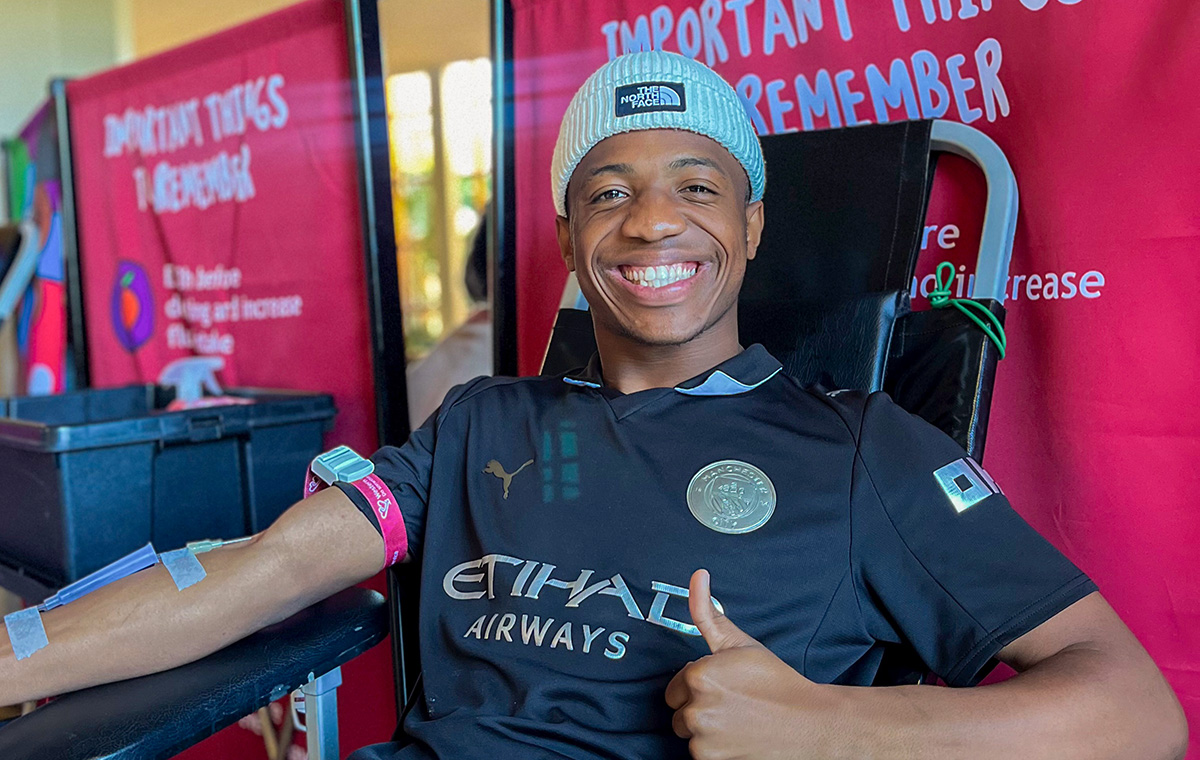
For many people, the decision to donate blood does not begin with confidence. Sometimes, it begins with fear. For Siyanda Hadebe, that fear was needles. He understood the importance of blood donation, but the thought of actually sitting in the donor chair was another story. Then one question changed his perspective: What if I were the one who needed blood?
Learning that he was O negative gave that question even greater meaning. Knowing that his blood could potentially help someone in need made it difficult to allow fear to make the decision for him. So, he donated.
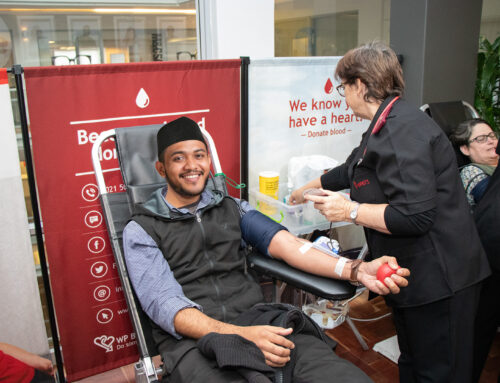
“It was honestly one of the scariest things I had done because of my fear of needles, but the experience itself was much better than I had anticipated,” Siyanda says. The care and reassurance he received from the nursing staff helped settle his nerves. And once he had made it through that first donation, something shifted. The fear that had once stopped him became something he knew he could overcome. One donation became another, and another.
Siyanda first donated with the South African National Blood Service and continued with the Western Cape Blood Service after moving to Cape Town. Today, he has reached 10 blood donations. But his contribution would eventually extend far beyond his own time in the donor chair.
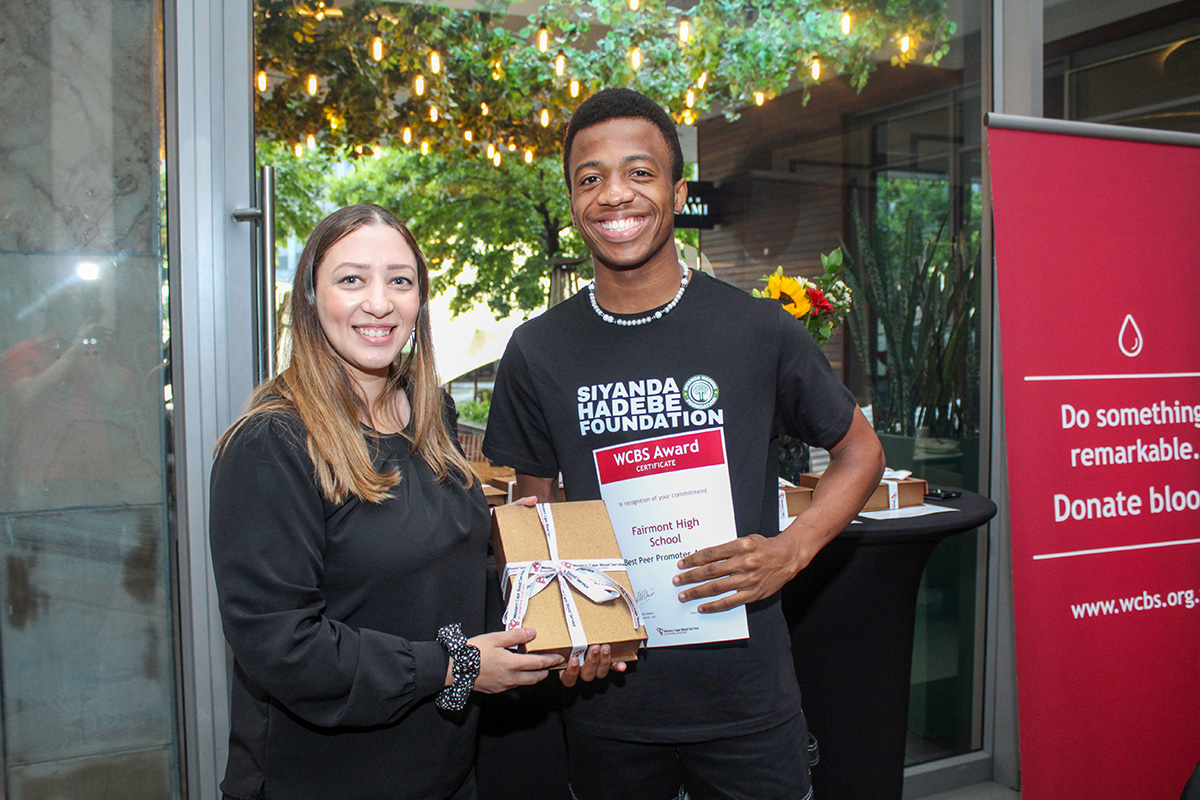
Turning a Personal Choice into Collective Action
Siyanda already understood the power of peer influence. While attending Fairmont High School, he chaired the school’s Blood Donor Ambassador team. When he later arrived at the University of the Western Cape (UWC), he recognised another opportunity. Around him were people who were willing to donate but had many of the same concerns he once had. Some were nervous. Others had questions about the process. Some simply needed a little encouragement to take that first step. Siyanda understood them because he had been one of them. Instead of only continuing his own donor journey, he began building a community around blood donation at UWC.
The Blood Donor Ambassador team brings together students who support donation clinics, encourage their peers, answer questions and provide a familiar face for first-time donors.
It is a simple idea with a powerful principle behind it: sometimes the person who helps you overcome your hesitation is someone who understands exactly how you feel. “Sometimes people do not donate because they do not care. They may simply have questions, feel uncertain about the process, or run out of time,” Siyanda explains. That insight reaches far beyond a university campus.
Whether someone is at school, university, work or within their community, uncertainty can often stand between intention and action. A conversation, a reassuring experience or seeing someone else take the first step can make all the difference.
The Ripple Effect of One Donation
Siyanda’s story demonstrates that blood donation is not only about what happens in the donor chair. One person can donate. That donor can encourage a friend. That friend can become a regular donor. And somewhere along that chain is a patient whose life may depend on people they will never meet.
“There is also something deeply humbling about being part of blood donation. You may never know whose life your donation will touch,” Siyanda says. His commitment to creating opportunities for others extends beyond blood donation. Through his own foundation, he also works to improve young people’s access to education. The common thread is simple: making a difference does not always require having everything figured out.
Sometimes it starts with showing up. Sometimes it means answering someone’s question.
Sometimes it is sitting beside a nervous first-time donor. And sometimes it means doing the very thing you were once afraid to do. Siyanda now hopes to grow the Blood Donor Ambassador team at UWC, sustain the momentum they have created and help make blood donation an ordinary part of university life. Because when one person’s courage encourages someone else to act, the impact can travel much further than one donation.