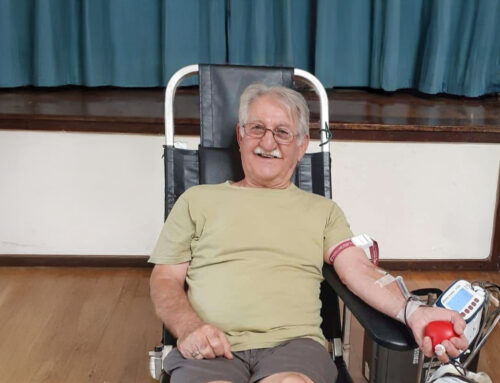

Love in every drop isn’t a slogan. It’s what happens when someone chooses to donate blood, and that decision quietly changes another person’s life.
Donating blood feels straightforward. You arrive, you donate, you leave. But once your donation heads off behind the scenes, a lot happens. Careful testing, medical science and skilled handling turn one act of kindness into a lifeline for several patients, each with different needs.
One donation goes further than you think
Many donors don’t realise how much impact a single donation can have.
- One unit of whole blood can help up to three people.
- Blood is separated into red cells, platelets and plasma.
- Each part is used for a specific medical purpose.
So, while you may have donated just once, your blood could be supporting a cancer patient, helping someone recover after surgery, assisting a mother after a difficult birth, or giving a trauma patient the strength to survive the critical first hours after an accident.
This is where the idea of love in every drop becomes real.
What happens after you donate?
After your donation, your blood is taken to our specialised laboratory for processing and testing. There, it’s carefully handled so that every drop is used where it’s most needed.
In certain emergencies, blood is used as whole blood rather than being separated. This usually happens when someone has lost a large amount of blood in a short time, such as after a serious accident, major surgery or a complicated childbirth. Whole blood helps restore volume, improve oxygen delivery and support clotting. Only O-negative blood is kept in this form for emergency use.
All other blood is separated into components so doctors can treat patients more precisely and ensure one donation helps more than one person.
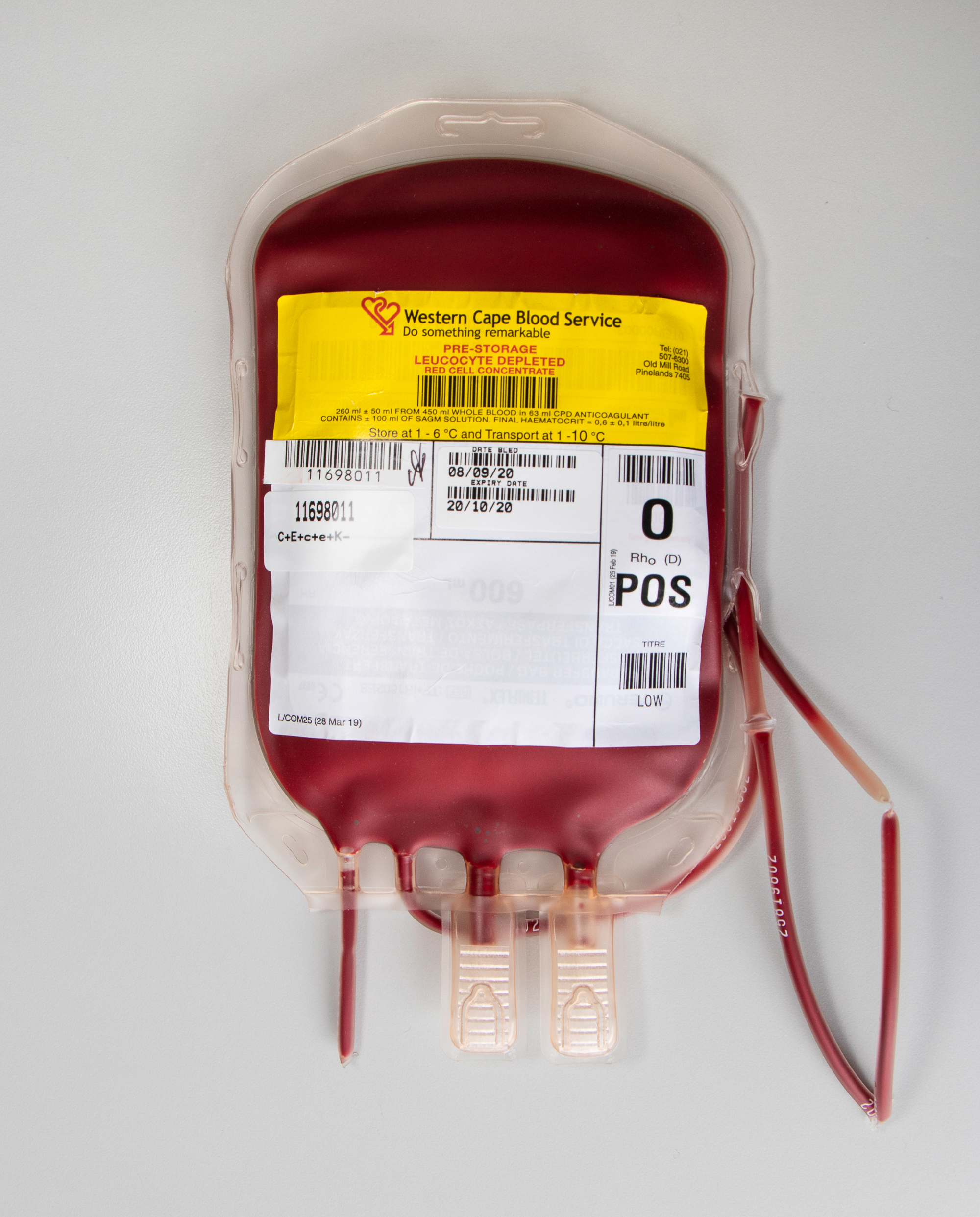
Red blood cells
These cells carry oxygen around the body. They are commonly used for patients who have lost blood through accidents, surgery or childbirth, and for people living with severe anaemia.
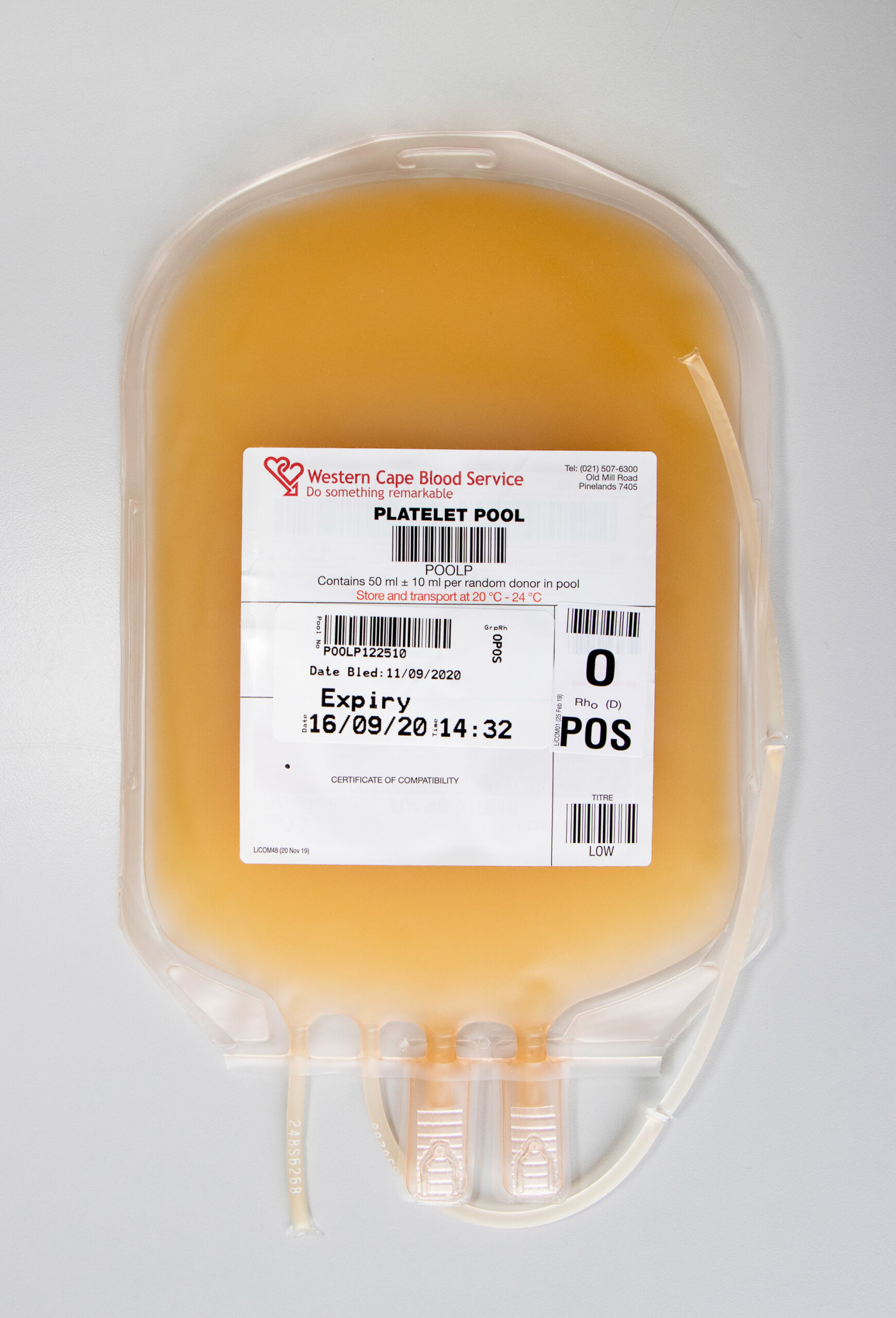
Platelets
Platelets help blood to clot and prevent excessive bleeding. They are important for patients whose bodies may struggle to produce enough platelets on their own, such as cancer patients undergoing chemotherapy or people with liver failure.
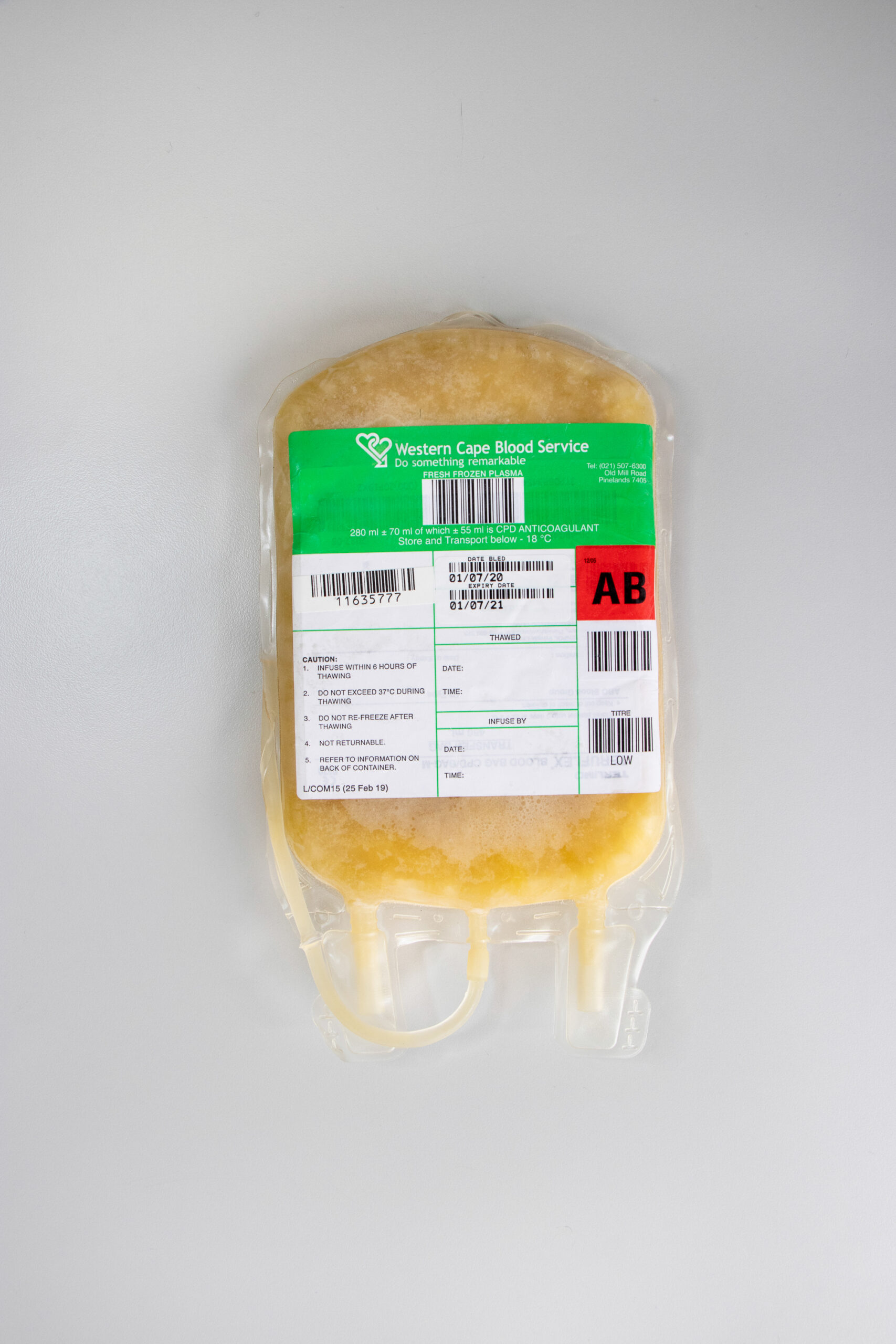
Plasma
Plasma contains proteins and clotting factors that have a wide range of functions throughout the body. It’s often used to treat burns, shock, bleeding disorders and certain immune conditions.
Each component plays its own role. Together, they show how one donation can meet very different needs.
Ordinary people, real impact
Blood can’t be made in a laboratory. There’s no substitute for it. Every unit used in hospitals comes from someone who chose to donate.
Most donors never meet the people they help. You won’t see the hospital ward or hear the story. But somewhere, a treatment continued, a procedure went ahead, or a life was steadied because blood was available when it was needed.
Those moments don’t make headlines. They happen quietly, every day.
Why donating regularly matters
Blood has a limited shelf life. Red blood cells can be stored up to 42 days, while platelets last just five days, and plasma can be frozen for longer periods. This means blood stocks need constant replenishment to meet ongoing demand.
Emergencies, surgeries, cancer treatments and childbirth happen every day. The need for blood stays constant.
Regular donations help maintain a stable blood supply, so blood is available when it’s needed. Donate once, and you help in that moment. Donate regularly, and you help build tomorrow.
A gift that keeps moving
Your donation doesn’t stop working when you leave the clinic. It travels. It’s used carefully. It helps someone else keep going. That’s the science behind blood donation. That’s the care behind every donor. That’s love in every drop.
If it’s been a while since your last visit, consider making time again. Your next donation could be exactly what someone is waiting for.